

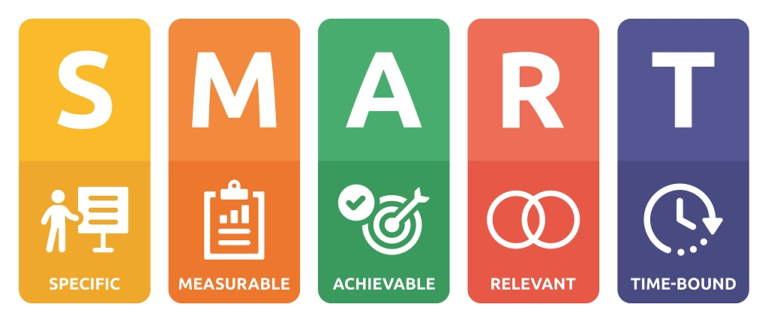
Ready to turn your dreams into reality? Start by crafting SMART objectives!
Hi there! Let’s explore goal-setting—a vital skill we all value but sometimes struggle to master.
Setting goals plays a key role in achieving success across all areas of life, whether personal, educational, or professional. Still, not every goal is equally impactful.
To increase your chances of success, it’s essential to establish SMART goals—ones that are Specific, Measurable, Achievable, Relevant, and Time-bound.
This article will explore what SMART goals mean, why they work so well, and how you can set them to pave your path toward achievement.
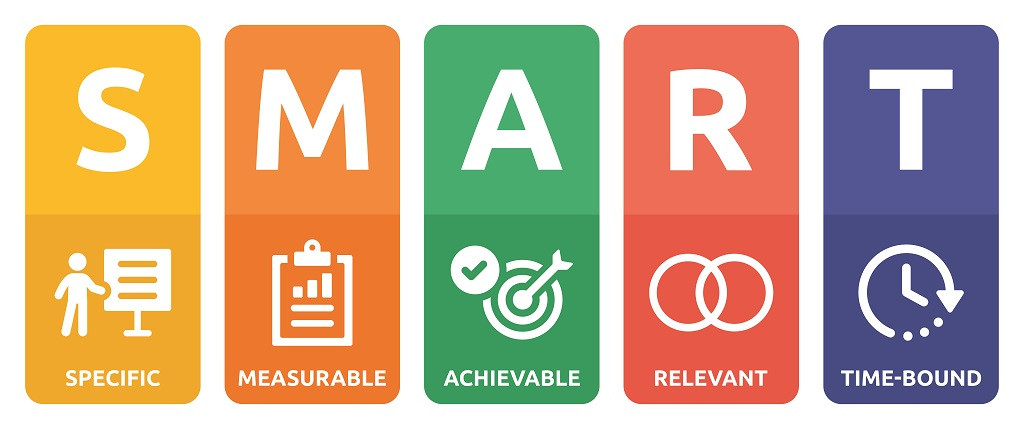
Why Are SMART Goals So Effective?
SMART goals bring clarity and structure to your aims. Instead of vague desires like “I want to get fit” or “I want to succeed,” SMART goals provide a clear, actionable outline that makes it easier to envision and reach your targets. They help maintain your focus, motivation, and responsibility.
Breaking Down SMART Goals
Specific
Your objectives need to be clear and precise so you fully understand what you want to achieve.
Rather than just saying, “I want to lose weight,” a clearer goal would be, “I plan to drop 10 pounds in three months by exercising five days a week and following a nutritious meal plan.”
Having this level of detail removes any ambiguity and specifies exactly what steps to take.
Measurable
Your objectives should include measurable benchmarks to track your advancement. This keeps you driven and helps you identify when you’ve reached your target.
For instance, if your goal is to boost your savings, you might say, “I want to save $5,000 this year by putting aside $100 weekly.” This makes it easy to monitor your progress and adjust your plan as necessary.
Achievable
It’s great to have high hopes, but your goals need to be practical as well. Setting targets that are too far-fetched can cause frustration and weaken your drive.
Meaningful
Your objectives should connect with your bigger dreams and core beliefs. If a goal doesn’t align with your long-term vision, it might pull you away from what’s truly important.
Ensure your goal holds real value and fits well with your other commitments. For example, if you’re focused on advancing your career, developing job-related skills is far more useful than pursuing unrelated interests.
Time-bound
Setting a deadline for your objectives creates urgency and drives you to take action. A clear timeframe helps maintain your focus and motivation until completion.
For example, stating, “I plan to finish reading 12 books this year” establishes a definite period to reach your target.
Goals without a clear deadline often lack the drive necessary to ensure they get done.

Related Content
Pequeno resumo do post recomendado
Continue Reading * You will remain on the current website
Bringing It All Together
Picture having a general goal like “I want to get fit.” Using the SMART criteria, you can refine this broad intent into a clear, actionable plan:
- Specific: “I want to shed 10 pounds and increase my strength.”
- Measurable: “I’ll track my weight weekly and test my strength monthly.”
- Achievable: “I’ll start by joining a gym and training with a coach twice a week.”
- Relevant: “Getting fitter will improve my health and energy levels.”
- Time-bound: “I aim to achieve this within six months.”
Breaking your goal down into these parts builds a clear, manageable plan that’s easier to track and greatly improves your odds of success.
Final Thoughts
Applying SMART goals can greatly improve your path to realizing your dreams. By crafting goals that are Specific, Measurable, Achievable, Relevant, and Time-sensitive, you bring focus and structure to your objectives.
This approach not only helps maintain your enthusiasm but also increases your chances of success. Whether your goal is to boost your wellbeing, advance professionally, or achieve other personal milestones, starting with SMART goals sets you on the right track. Your future self will thank you!
