

The Transformative Impact of Digital Wallets on Payment Systems
Over time, the way we manage money has evolved dramatically, with digital wallets playing a central role in this shift.
With ongoing technological advances, cash and conventional banking methods are gradually giving way to faster, safer, and more convenient payment options.
Digital wallets allow users to securely store payment information and make purchases instantly with just a tap or click.
Whether for everyday small buys or major financial transactions, they are reshaping the worldwide economic environment.
The increasing adoption of digital wallets is driven by the demand for ease, enhanced security, and greater access to financial services.
From grocery shopping to sending money to loved ones or managing subscriptions, digital wallets have become essential tools in everyday financial activities.
So, what fuels their rapid growth, and what lies ahead for this innovation? Let’s explore the factors behind their rise and how they’re reshaping money management.
The Rise of Digital Wallets
Thanks to their intuitive design and widespread availability, digital wallets have quickly become a preferred payment method.
As smartphones and internet connectivity become nearly universal, millions now rely on digital wallets for their daily financial activities. Platforms like Apple Pay, Google Wallet, PayPal, along with regional giants such as WeChat Pay and Paytm, have reshaped payment methods by eliminating the need for physical cash or credit cards.
Several important reasons explain why their usage is growing so rapidly:
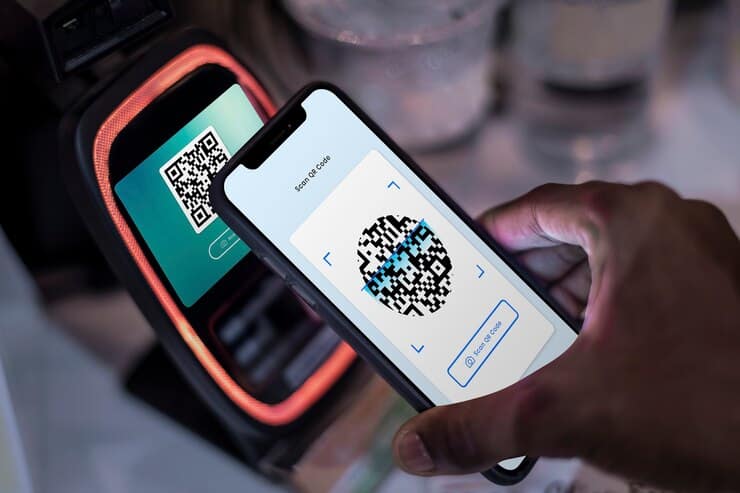
- Fast and Convenient: Digital wallets enable transactions within seconds, whether online or in-store. Features like contactless payments and QR code scanning simplify the process further.
- Enhanced Security: Strong encryption and biometric authentication reduce fraud risks, making digital wallets safer than cash or cards.
- Broader Inclusion: Mobile wallets provide financial access to many who lacked traditional banking, enabling wider participation in the economy.
- Multiple Features: Beyond payments, wallets can hold loyalty cards, transit tickets, and cryptocurrencies, increasing their usefulness.
Digital Wallets and Changing Spending Habits
Increasing reliance on digital wallets has reshaped the way people manage their spending.
As cashless payment methods become more widespread, companies are adapting by integrating digital payment options.
Whether it’s physical stores, e-commerce platforms, or street markets, digital payments are increasingly common, attracting users who appreciate the convenience and speed of mobile transactions.
In addition, digital wallets are boosting the growth of subscription-based services by enabling automatic payments for things like streaming, meal deliveries, and cloud storage, ensuring uninterrupted access.
How Digital Wallets Are Shaping the Global Economy
Beyond enhancing individual experiences, digital wallets are driving significant changes in economies worldwide.
They support cross-border payments with minimal fees, enhancing the speed and cost-effectiveness of trade and remittances. In regions with scarce banking options, digital wallets serve as essential tools, enabling small entrepreneurs and individuals to participate in the digital economy.
Government bodies and financial entities are increasingly recognizing the potential of digital wallets.
Several countries are developing central bank digital currencies (CBDCs) designed to integrate with existing digital wallet systems, aiming to streamline monetary transactions further.
Challenges and Future Outlook for Digital Wallets
While digital wallets offer many benefits, they also present several challenges:
- Security Challenges: As digital payments grow, risks such as hacking and identity fraud also increase, making continuous security improvements vital.
- Regulatory Challenges: Governments and financial bodies need to establish effective regulations to prevent fraud and safeguard users.
- Adoption Challenges: Many people hesitate to switch to digital wallets due to limited awareness or lack of technical skills.
Looking ahead, digital wallets are anticipated to integrate with emerging technologies like AI and blockchain, enhancing both their efficiency and security features.
Developments in 5G and the Internet of Things (IoT) are likely to improve payment experiences further, embedding digital wallets more deeply into daily life.
Conclusion
The rise of digital wallets marks a significant shift in finance, offering convenience, security, and accessibility that streamline transactions for consumers and businesses alike.
As technology continues to advance, digital wallets will remain essential in shaping the future of payments and enhancing financial accessibility.
Embracing this innovation offers both consumers and businesses new opportunities in the rapidly evolving digital marketplace.
