

Effective Tips to Boost Your Credit Score Quickly
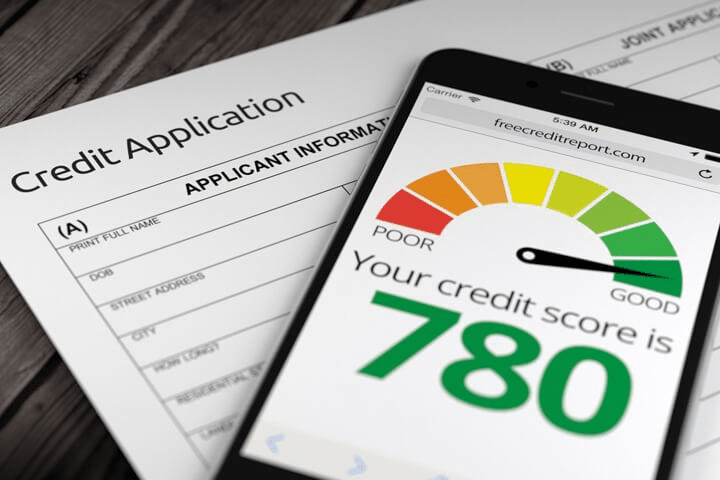
Have you considered how your credit score impacts your financial life? Whether you’re applying for a loan, using credit, or aiming for better interest rates, a strong credit rating can open many doors.
Don’t worry about raising your score—it’s easier than you think. Small, practical actions in your daily routine can make a real difference. This article shares valuable advice to help improve your credit health. Let’s get started!
Practical Methods to Improve Your Credit Score
If you’ve struggled to get credit cards or loans, you know how important it is to keep a strong credit score.
The good news is that improving your credit score is simpler than you might believe! By making a few easy adjustments to your financial routines, you can raise your score and gain greater flexibility to reach your goals.
1. Pay Your Bills on Time
It sounds simple, yet many people still miss bill due dates, which can hurt their credit scores. Even small delays can cause your score to drop.
Your payment history is closely monitored by credit bureaus and impacts your credit rating. So be sure to pay your bills on time, every time!
Try setting phone alerts or enabling automatic payments so you never miss a due date. This helps maintain a strong and healthy credit score.
2. Control Your Spending and Steer Clear of Credit Card Debt
Credit cards are widely used for credit, and managing them carefully can greatly improve your score. Try to keep your credit utilization under 30% of your total limit.
Going over this threshold can damage your credit score, implying potential financial trouble. Avoid paying only the minimum balance; although it might offer short-term relief, it leads to accumulating interest and can negatively impact your financial stability over time.
3. Pay Off Any Existing Debts
Eliminating any outstanding debt is one of the key actions you can take to improve your credit rating.
Clearing your debts not only reduces their negative impact on your credit rating but also helps restore confidence with lenders.
If you owe a large amount, try discussing a payment arrangement with your creditor. Often, you can agree on manageable installments that protect your credit score from further damage.
4. Extend your credit history length
Your credit score factors in the duration of your relationship with financial institutions.
Consistently managing your accounts or credit cards over a long period can greatly improve your score, as lenders tend to trust customers with a lengthy, responsible history.
Be careful when opening new accounts or applying for credit cards. Opening several accounts in a short time can hurt your score, suggesting financial instability.
5. Use your positive credit history to your advantage
A solid credit track record helps lenders recognize your reliable payment habits as well as existing debts. Consistently paying bills on time can boost your credit rating.
Being listed on the positive register offers a great chance for those who pay promptly but still have a low score. Ensure you are registered to highlight your dedication to timely payments.
6. Monitor your credit score regularly
Monitoring your credit score regularly is essential to determine if your efforts are paying off.
There are numerous services offering free credit score checks that help you track your progress and stay informed.
Watch your score closely to identify what’s working well and where improvements might be needed.
7. Practice patience and stay consistent
Raising your credit score doesn’t happen overnight. The key to success is maintaining patience and steady progress.
Your credit score can gradually improve with time. By consistently paying bills on schedule, controlling your expenses, and reducing debts, you’ll see positive results. Remember, the key is to take that initial step toward better financial health.
Raising your credit score might feel overwhelming, but with the right approaches, you can enhance your rating and build a more stable financial future.
By refining your financial habits—such as paying bills on time, using credit cards wisely, and eliminating debts—you’ll be moving in the right direction.
Ultimately, maintaining a strong credit score requires dedication and steady effort, but the benefits are well worth it. Begin today and enjoy the advantages of a solid financial foundation!

Related Content
Pequeno resumo do post recomendado
I want to learn more * You will remain on the current website
