

How Changes in the Rand Affect You
South Africa’s economy has encountered numerous complex issues in recent times, and the rand (ZAR) reflects these economic shifts closely.
Having a clear grasp of where the local currency is heading is crucial for managing your finances, investments, and business plans effectively.
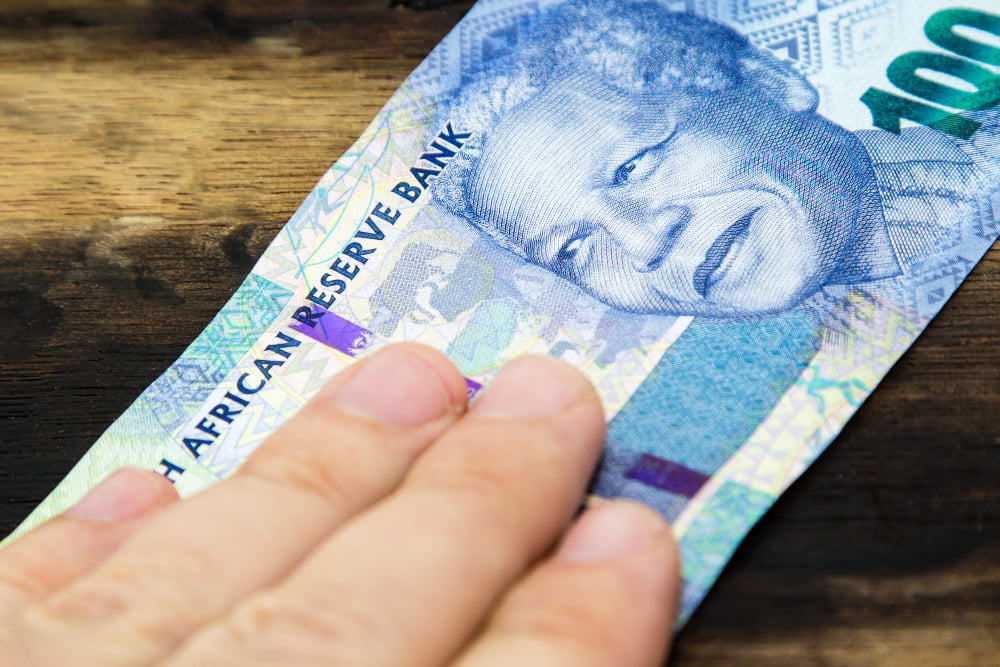
With 2026 on the horizon, the rand’s future holds both major challenges and promising opportunities for all who rely on it.
What Causes the Rand’s High Volatility?
The rand is classified as an emerging-market currency, which means it tends to experience greater volatility than more established currencies like the U.S. dollar or euro.
Below are the key elements that influence the rand’s stability:
- Commodity prices: South Africa is a major exporter of gold, platinum, and other minerals. When international prices shift, it directly impacts the currency.
- Economic and fiscal policy: Government decisions such as fiscal adjustments, investment policies, and structural reforms can generate either confidence or uncertainty in the market.
- Global interest rates: Moves by the U.S. Federal Reserve or the European Central Bank influence capital inflows and outflows, impacting the rand.
- Political instability: Crises or political unrest can trigger investment flight and currency depreciation.
What’s crucial is to grasp the currency’s context and remain ready to respond when challenges arise.
Impacts on consumers
The value of the rand has a direct impact on South Africans’ cost of living. When the rand weakens, imported items like electronics, vehicles, and fuel become pricier.
Food costs tend to increase as import expenses rise, while exports often grow since international markets become more appealing.
Imported tech products and software may become considerably costlier, impacting learners, professionals, and businesses alike.
Conversely, when the rand strengthens, purchasing power improves, making imports cheaper, though this can challenge South African exporters who compete on price in global markets.
Impacts on investors
A weaker rand raises the value of investments priced in dollars or euros when measured in local currency.
Import-reliant companies often encounter higher expenses, which can lower profits and negatively affect their stock performance.
Given South Africa’s status as a leading metal producer, investment funds tied to gold, platinum, and other commodities often gain when the rand weakens, increasing returns in local currency terms.
Thus, an effective financial plan involves keeping track of exchange rates and adjusting your portfolio to limit currency exposure.
Impacts on businesses and companies
Businesses in South Africa, particularly those operating globally, feel the effects of the rand’s fluctuations directly. Typical consequences include:
- Import costs: Firms dependent on foreign goods face rising expenses when the rand weakens.
- Export competitiveness: A weaker rand boosts exporters by making their products pricier abroad.
- Financial planning: Managing currency swings demands hedging and careful cash flow oversight.
Possible scenarios for 2026
Experts have outlined several likely outcomes for the rand’s behavior in 2026:
- Gradual appreciation: Controlled inflation and steady growth could strengthen the rand, aiding consumers and importers.
- Continued volatility: Ongoing domestic and global issues might keep the rand unstable, urging care with major investments.
- Sharp depreciation: Political or economic turmoil could undermine confidence, weakening the rand and raising inflation.
Strategies to Manage Rand Volatility Effectively
A key recommendation is to diversify your portfolio by blending local and foreign investments to minimize the chance of heavy losses.
Make informed decisions on large purchases—consider postponing or bringing forward imported goods based on how you expect the exchange rate to move.
Keep up-to-date with economic developments, government policies, interest rate changes, and global market shifts to improve your decision-making.
Leverage hedging tools like futures or options contracts, which businesses can use to shield themselves from sudden currency swings.
Final Thoughts
In 2026, the South African rand is expected to continue experiencing fluctuations, influenced by both domestic and international economic factors.
The main lesson is that staying informed and planning ahead are your best defenses against currency instability.
The rand’s outlook holds both challenges and potential rewards.
Those who remain vigilant and proactive about currency movements can leverage volatility to make smarter, more deliberate financial choices.
