

Steps to Establish Your Emergency Fund
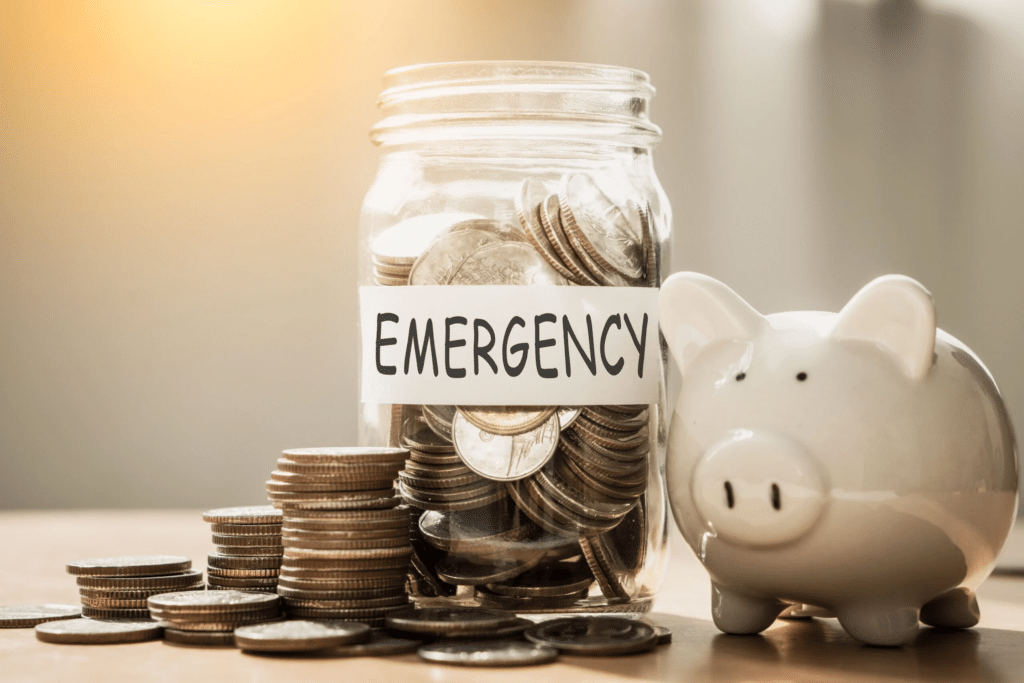
Have you thought about how you’d handle a sudden financial setback today? Whether it’s an unexpected bill, a medical emergency, or a job-related crisis, setting up an emergency fund can be the solution you need.
There are many ways to grow your savings and build a financial cushion. Interested in learning how? This guide offers valuable advice to help you start your path toward stronger financial security and greater peace of mind.
Why Having an Emergency Fund Matters
Building an emergency fund provides a crucial financial safety net. It protects you from unforeseen expenses and helps you avoid taking on debt or depending on credit cards, which can worsen financial strain.
Additionally, having an emergency fund helps you navigate unexpected situations more smoothly, reducing anxiety when sudden challenges occur.
How Much Should I Save?
When starting your emergency fund, a key question is how much to put aside. A typical recommendation is to save enough to cover three to six months of necessary expenses.
This amount should include basics such as rent, food, transportation, fixed bills, and other essential costs. Don’t stress if you can’t save it all at once — the important part is to begin with small sums and build your savings over time.
If your earnings vary or you support others financially, aiming for the higher end—up to six months—is wise. On the other hand, if your income is steady and you have fewer responsibilities, three months’ worth of savings might be enough.
Top Places to Store Your Emergency Savings
With a savings goal in mind, the next step is choosing where to keep your money. It should be accessible enough for emergencies but not so handy that you’re tempted to dip into it unnecessarily.
Consider options like savings accounts or low-risk financial products, such as CDBs that offer daily liquidity. These allow you quick access while also providing some interest to help your fund retain its value over time.
Avoid investments that require long lock-in periods or carry potential losses, like stocks, as they aren’t suitable for emergency savings.
The key to an emergency fund is its safety and immediate availability whenever you might need it.
How can you get started building your emergency fund?
Many people feel daunted by the amount needed to fully fund an emergency reserve. The encouraging part is that you can start small and steadily increase your savings over time.
Try to put aside a fixed sum each month—say R$100 or R$200—and make it a priority. The sooner you start, the faster your emergency fund will grow.
It’s smart to set this money aside right when you get paid, before paying bills or spending on extras. Doing this helps your emergency savings increase consistently without the risk of using it for other expenses.
How should I handle my emergency fund if I have existing debts?
When managing debts, focus on paying off those with the highest interest rates first. This approach frees up more money that you can redirect toward building your emergency fund.
Remember, starting an emergency fund doesn’t mean stopping your debt payments; it’s about creating a financial buffer to avoid accumulating more debt later on.
Suggestions for keeping your emergency fund strong
- Regularly review your fund: As your financial situation changes, it’s important to adjust your emergency savings. Raises or new expenses might mean you need to save more;
- Don’t use it for everyday costs: Although tempting, your emergency fund should only cover unexpected events. Avoid dipping into it for planned purchases or routine expenses;
- Maintain discipline: Consistency is key to a solid emergency fund. Even if you save extra some months, keep contributing the same regular amount to stay on track.
Building an emergency fund might feel intimidating initially, but with commitment and a clear plan, it becomes a crucial move toward securing your financial future.
The most important step is simply to get started, even if it’s with a modest sum. The peace of mind that comes with having a fund is priceless. Gradually, you’ll see how this reserve strengthens your ability to manage unforeseen events with greater assurance.

Related Content
Pequeno resumo do post recomendado
I want to learn more * You will remain on the current website
