

Easily grasp the 50-30-20 budgeting rule
If you’re looking for a simple yet effective strategy to handle your personal finances, the 50-30-20 rule could be the solution. This method is easy to understand and adapts well to any financial situation, helping you balance your income, expenses, and savings.
But what exactly does this rule entail? How does it work, and most importantly, how can you apply it day-to-day? We’ll explain this budget technique in detail below. Keep reading!
Breaking down the meaning of the 50-30-20 rule
The 50-30-20 rule acts as a budgeting framework designed to simplify how you manage your money.
This strategy breaks down your net income—what remains after taxes and deductions—into three main categories:
- 50% for essentials: unavoidable costs like housing, food, transport, and utilities.
- 30% for desires: non-essential expenses such as dining out, travel, and entertainment.
- 20% for savings: funds set aside for future goals and emergencies.
This breakdown establishes a solid foundation for managing your money, balancing enjoyable spending with building your financial safety net.
How to put the 50-30-20 rule into practice
With the 50-30-20 framework in mind, let’s explore practical steps to incorporate it into your everyday financial habits. This approach can improve how you handle your money.
Thinking about using this rule? We’ll simplify it into clear, practical steps you can easily follow.
1. Calculate your net income
Begin by determining the exact amount you bring home each month. This should account for your salary after taxes and deductions, plus any extra earnings from freelance work or rental income.
For instance, if your gross salary is R$5,000 but after deductions you take home R$4,000, this is the figure you’ll base your budget on.
2. Track your monthly expenses
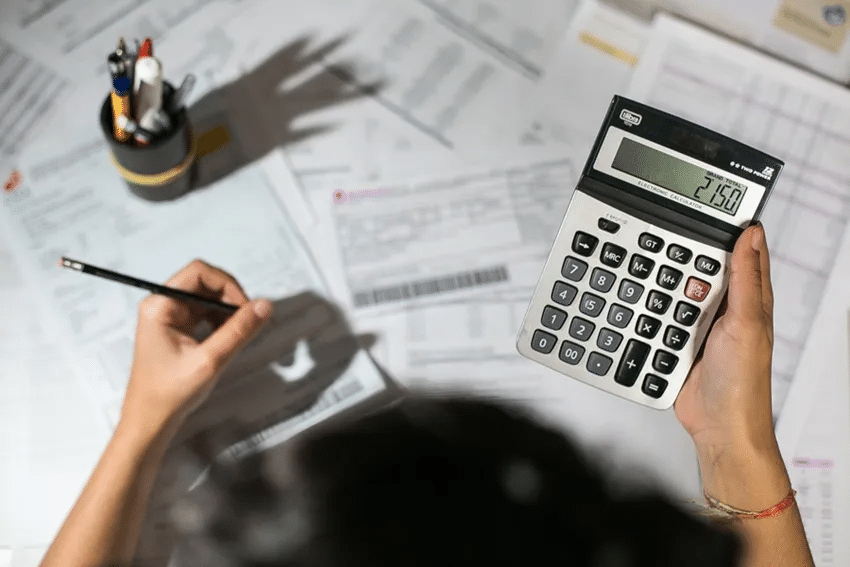
Now is the moment to compile all your expenses—whether you prefer a pen, pencil, or a spreadsheet, choose what works best for you. Write down everything you spend and organize these costs into categories such as needs, wants, and savings. This important task will give you a clearer picture of your spending patterns and highlight areas for improvement.
Here are a few examples of typical expenses:
- Needs: rent, food, utilities, transportation.
- Wants: entertainment, dining out, vacations.
- Savings: emergency funds, investments.
3. Analyze Your Spending Patterns
With your expenses laid out, assess whether your spending fits the 50-30-20 framework. If essentials consume more than half of your budget, consider adjusting your lifestyle or exploring ways to lower costs, such as negotiating bills or cutting back on non-essential purchases.
4. Define Objectives and Monitor Your Progress
Creating a plan is just the start; you must consistently review your progress to stay aligned with your targets. Use budgeting apps or a simple spreadsheet to track your advancements effectively.
The Reasons Behind the 50-30-20 Rule’s Success
This rule’s power comes from its straightforwardness. It sets clear limits for each spending category, helping avoid overspending and keeping your focus on priorities. Additionally, it flexibly adjusts to your unique financial circumstances.
If your earnings are tight, you may need to adjust the ratios temporarily—such as using 60-20-20 or 50-20-30. The essential part is maintaining discipline and keeping your long-term objectives in focus.
Advantages of Adopting This Budgeting Rule
Applying the 50-30-20 rule helps you gain better clarity over your finances while easing money-related worries. Curious about its true benefits? Let’s explore the key strengths of using this budgeting strategy!
- Clear financial oversight: track your money to avoid unexpected costs;
- Enjoyment without guilt: allocate 30% for fun and leisure;
- Build future stability: save 20% to secure your goals and emergencies;
- Flexible approach: adjust the rule as your financial situation evolves.
The 50-30-20 rule offers a practical framework to balance spending, saving, and living well. It lays the groundwork for taking charge of your finances while chasing your dreams, no matter their size. Begin applying this rule now and see how your money habits improve over time!
